 3-thruster PVC hull · acrylic fairing
Overview
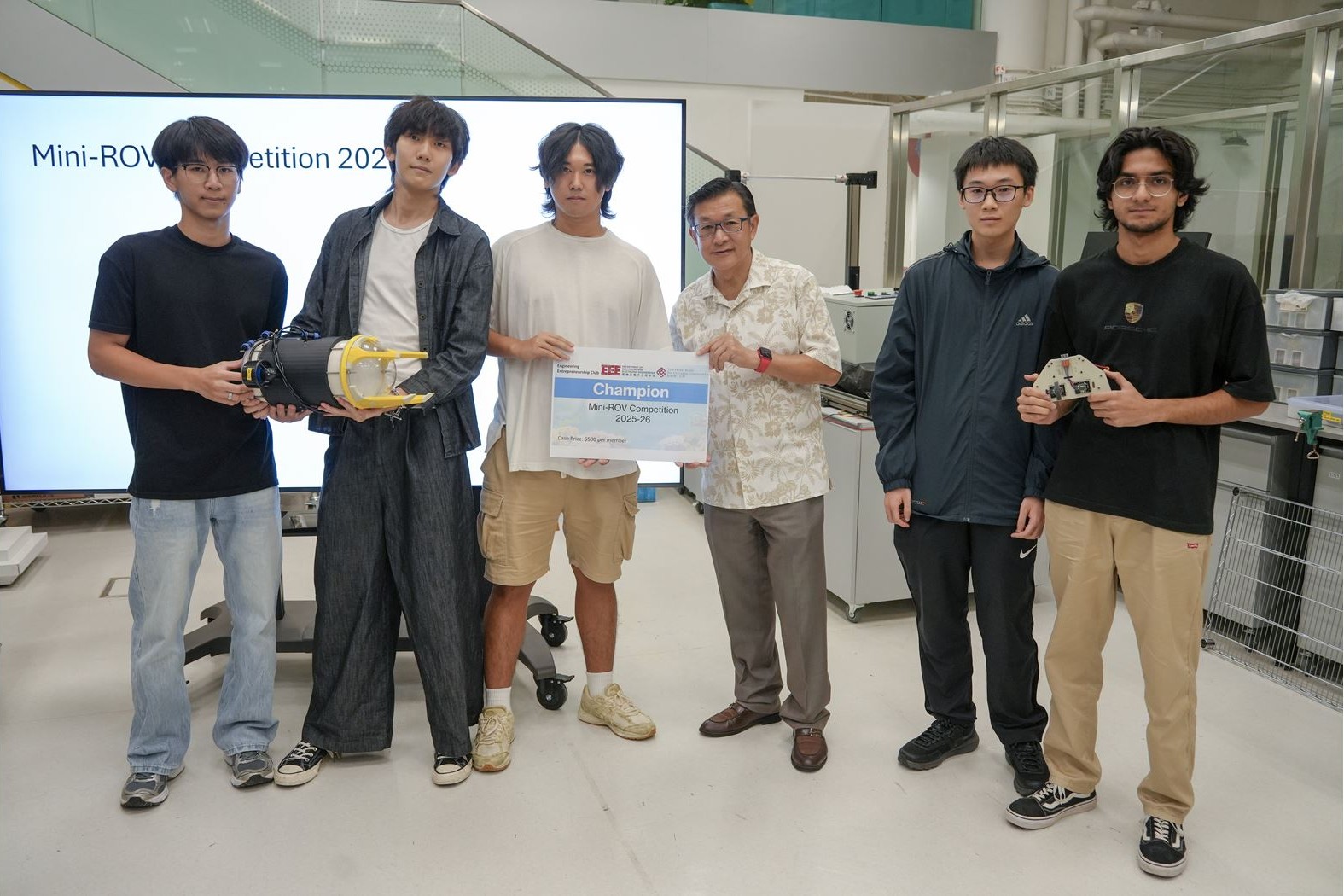
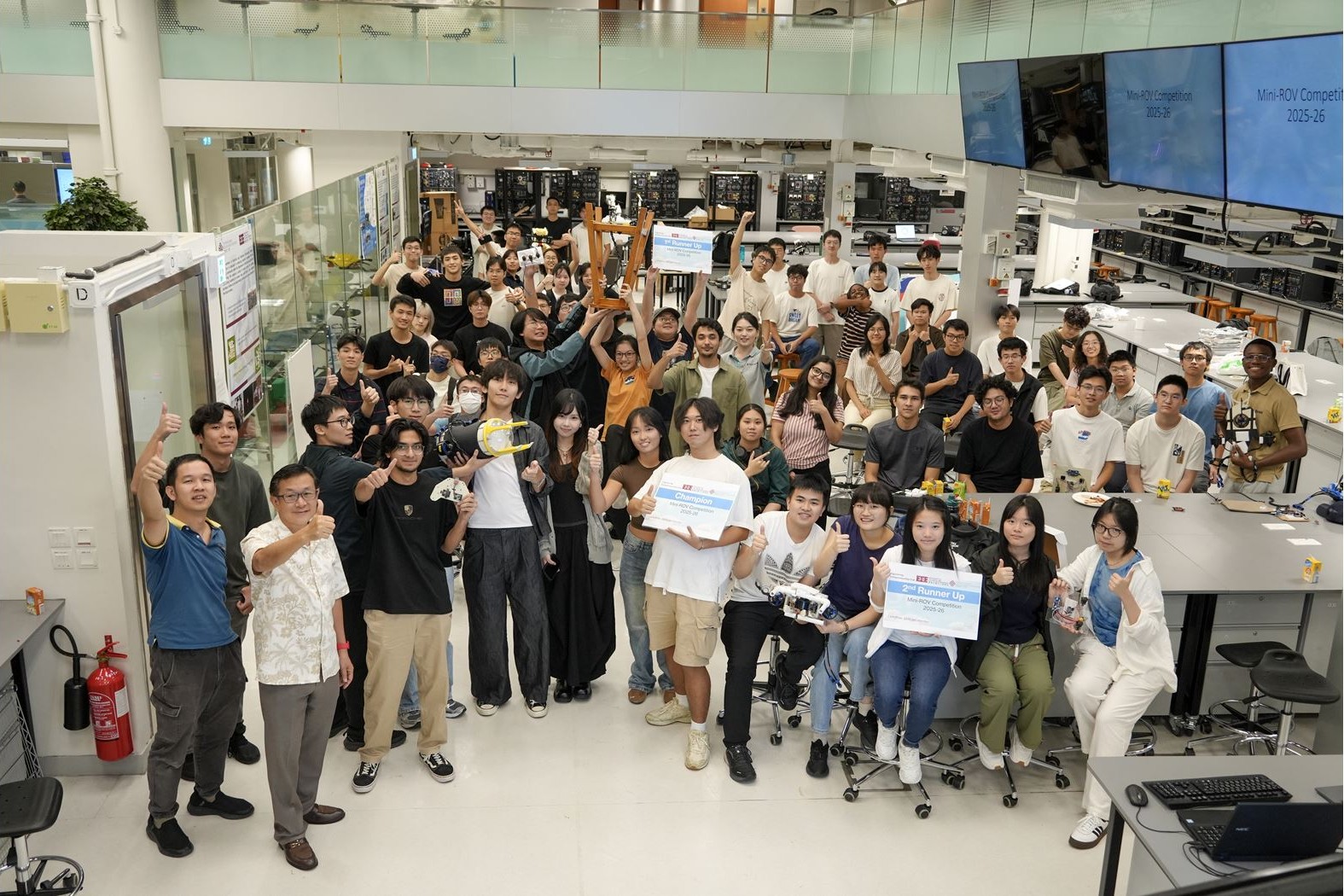
In my first month at The Hong Kong Polytechnic University I joined the Engineering Entrepreneurship Club's Mini-ROV competition — 74 new members, 13 teams, building remotely-operated underwater vehicles from scratch. My team's vehicle won.
The build
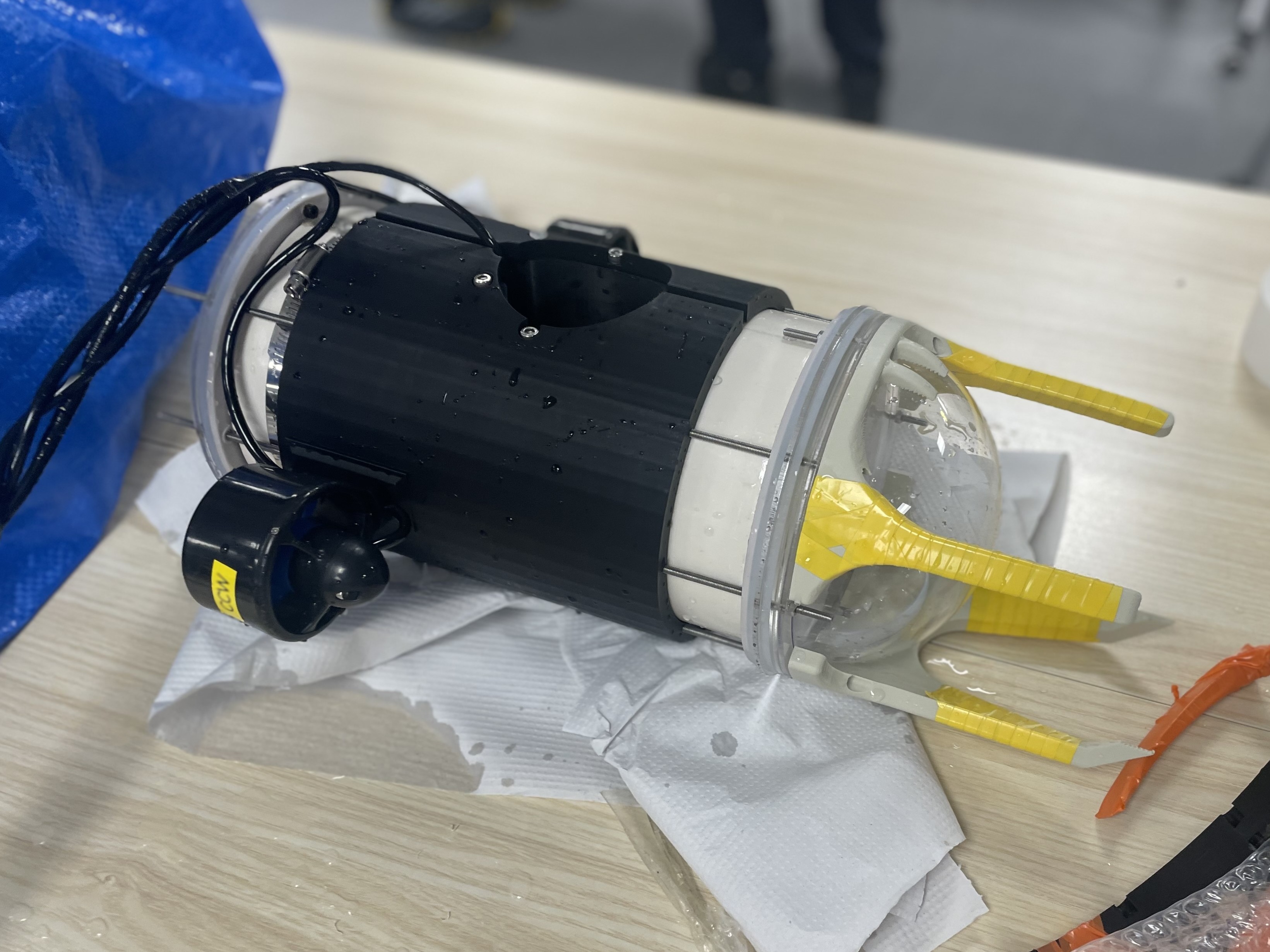
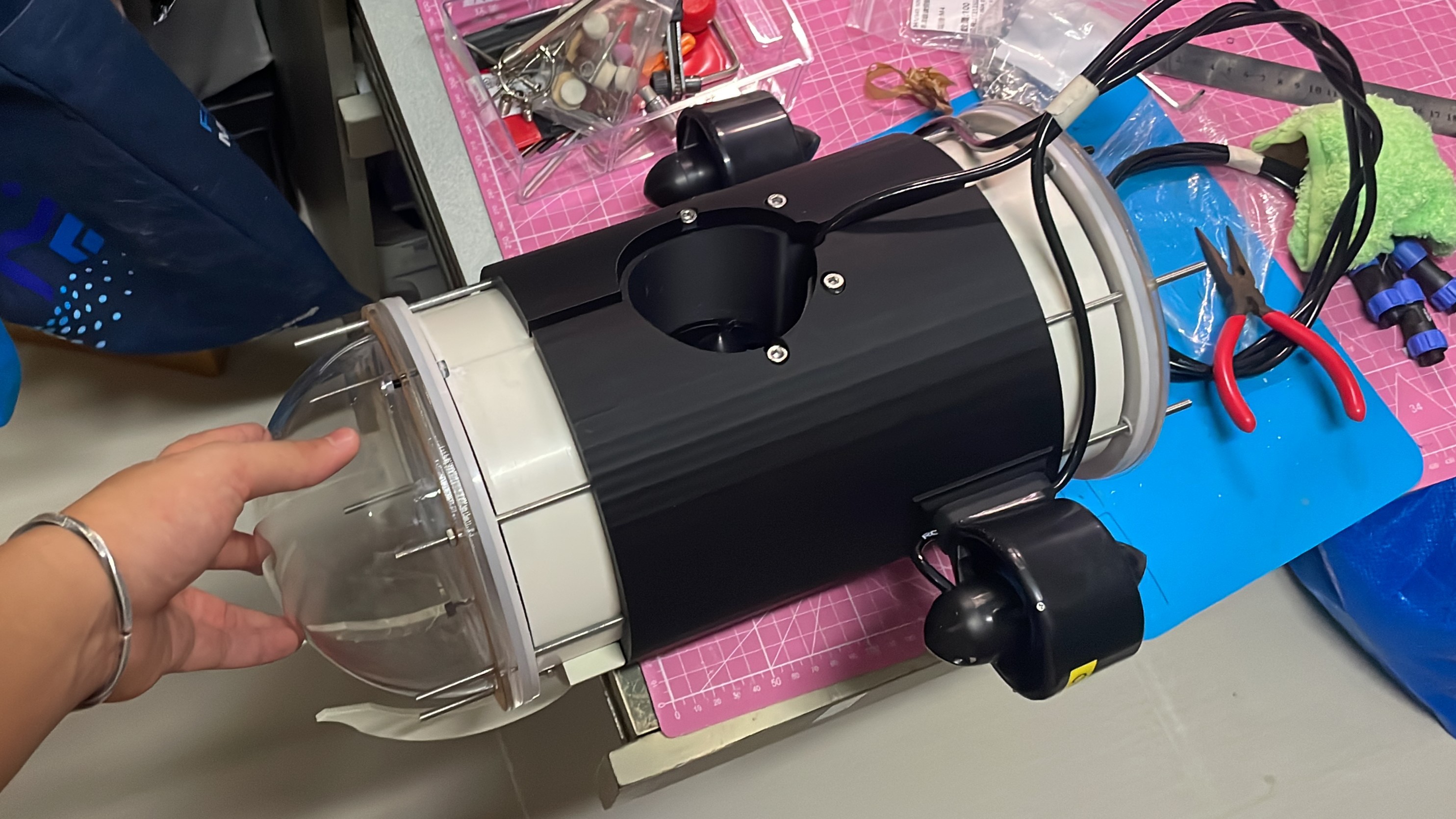
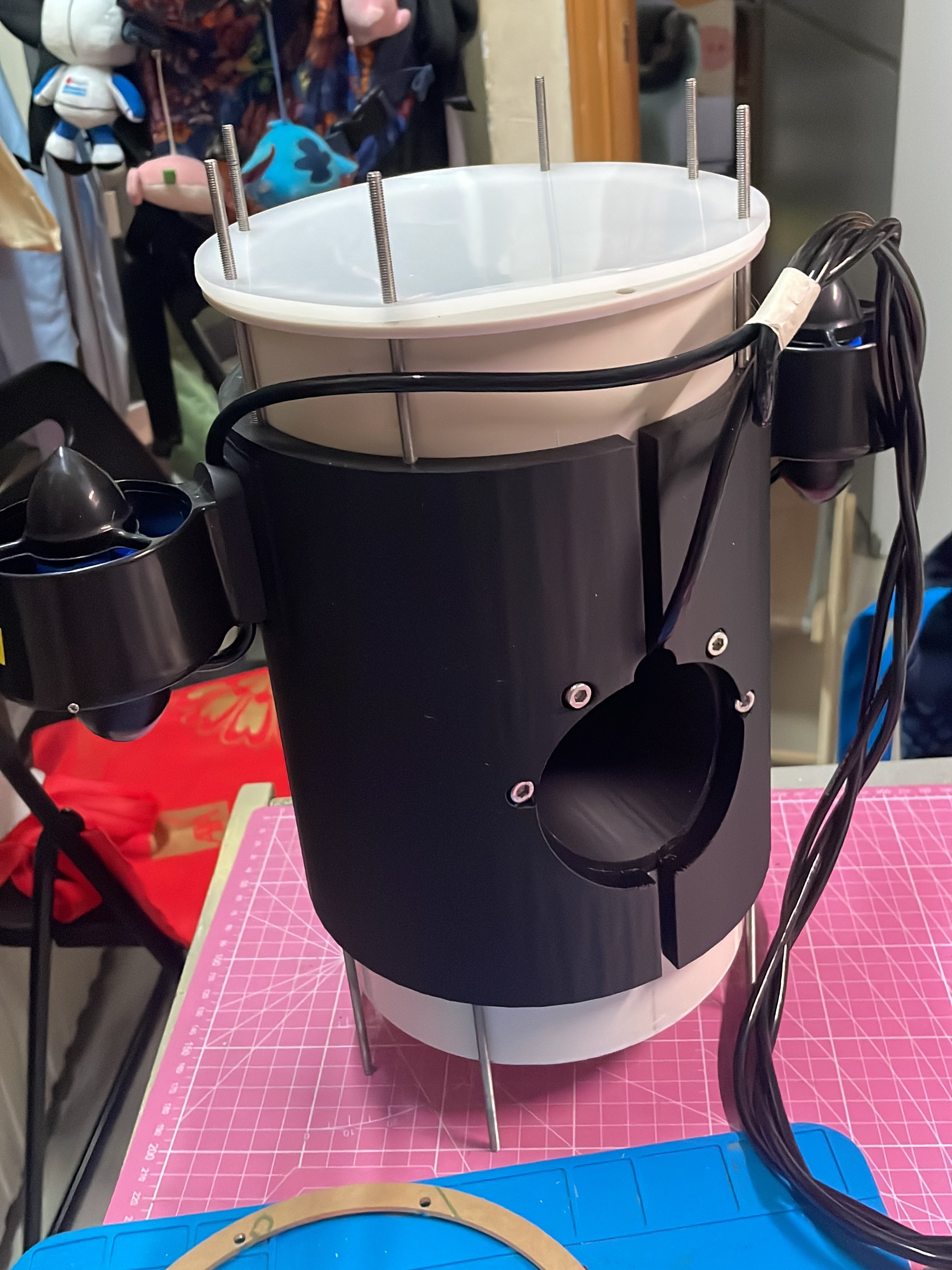
- Three-thruster layout — one vertical thruster for depth control, two for steering and forward/reverse
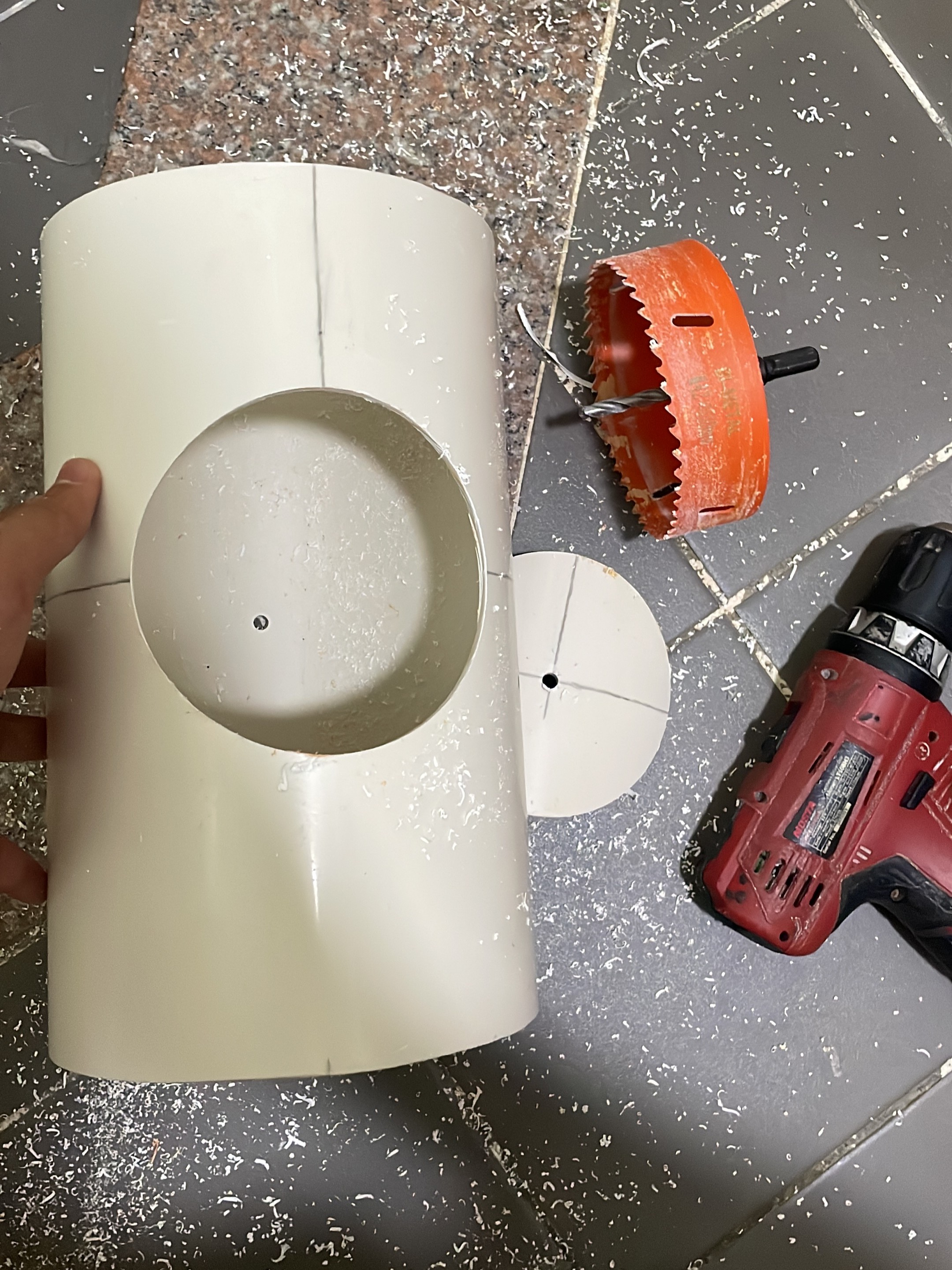
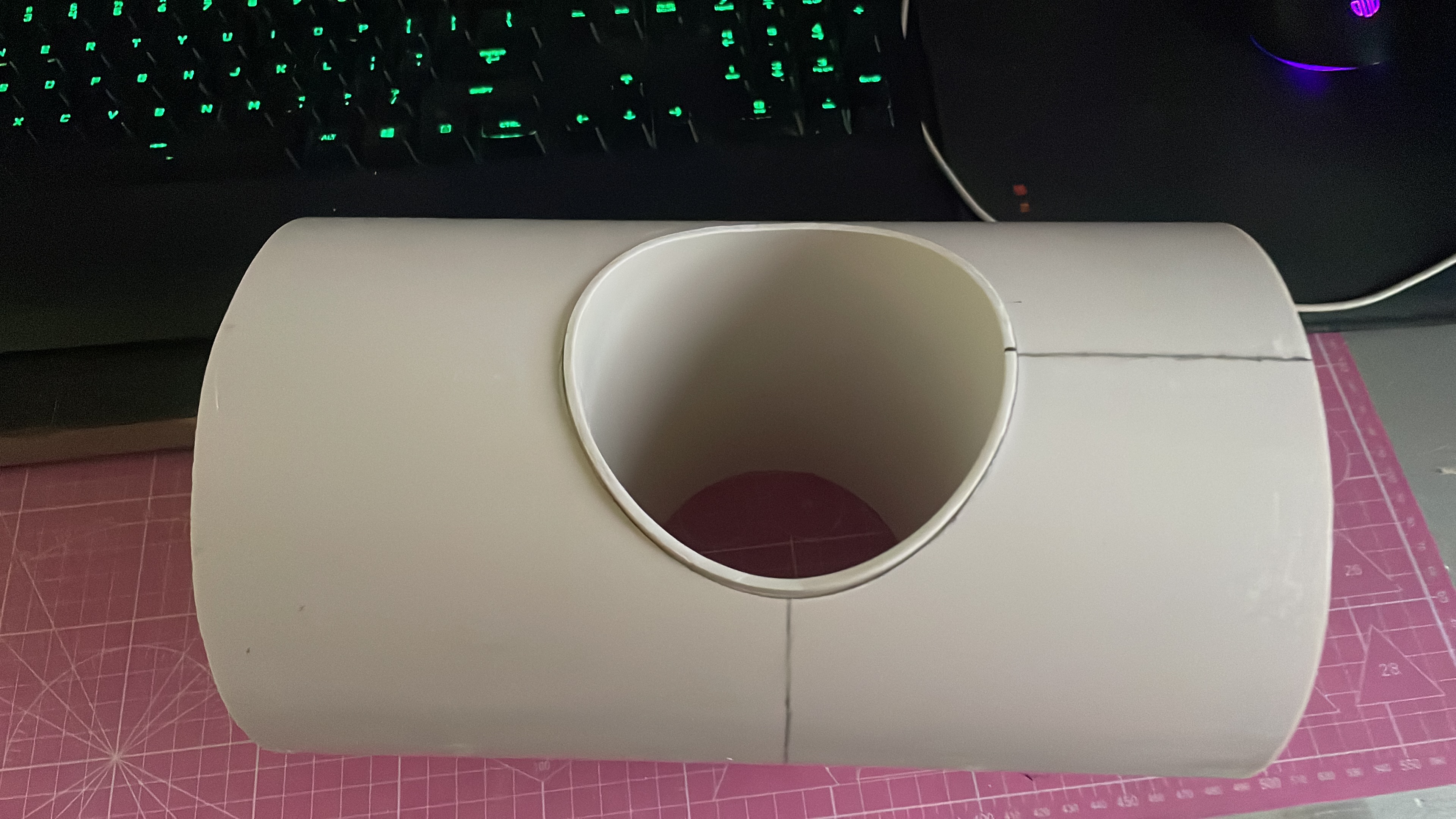
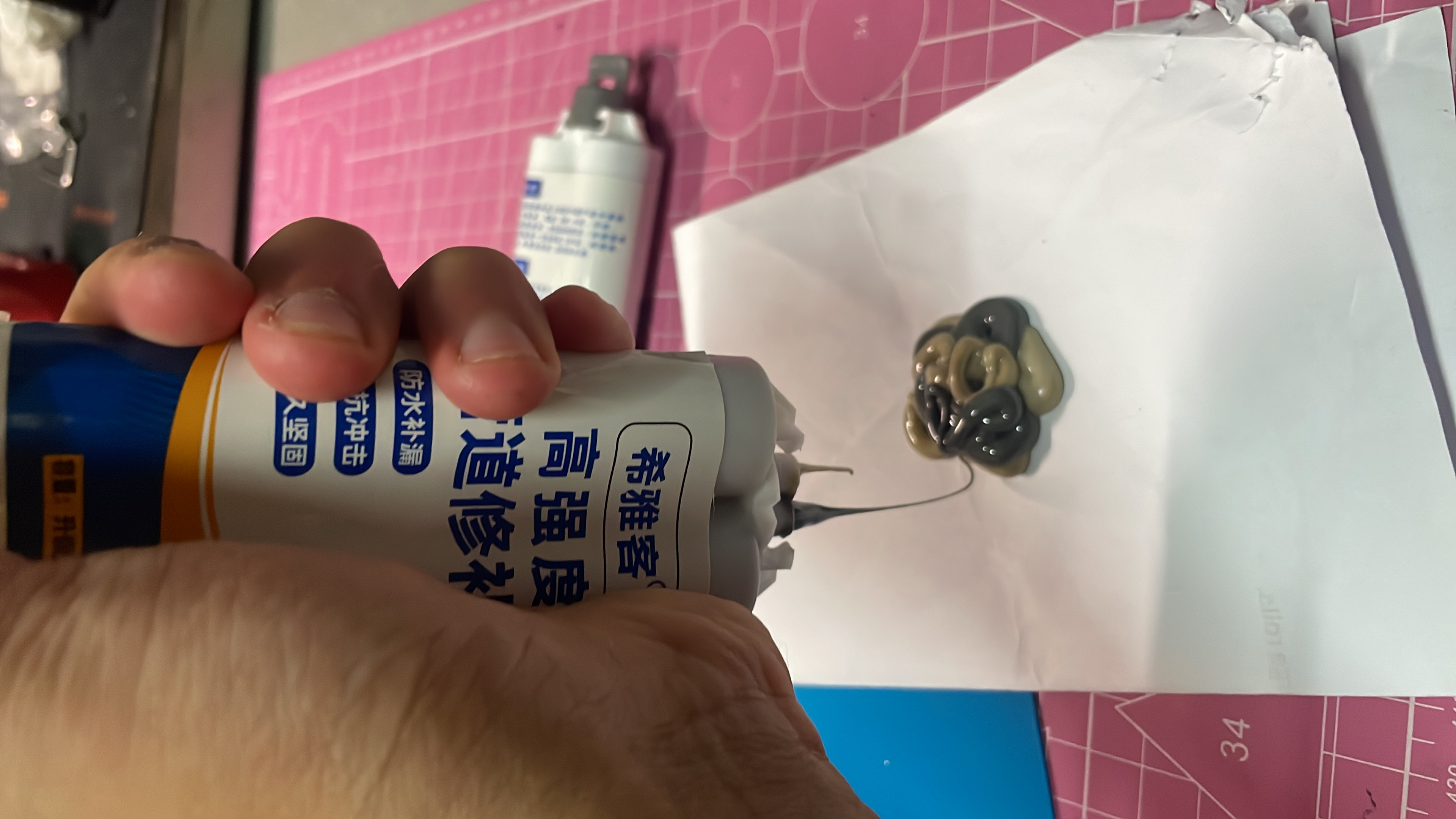
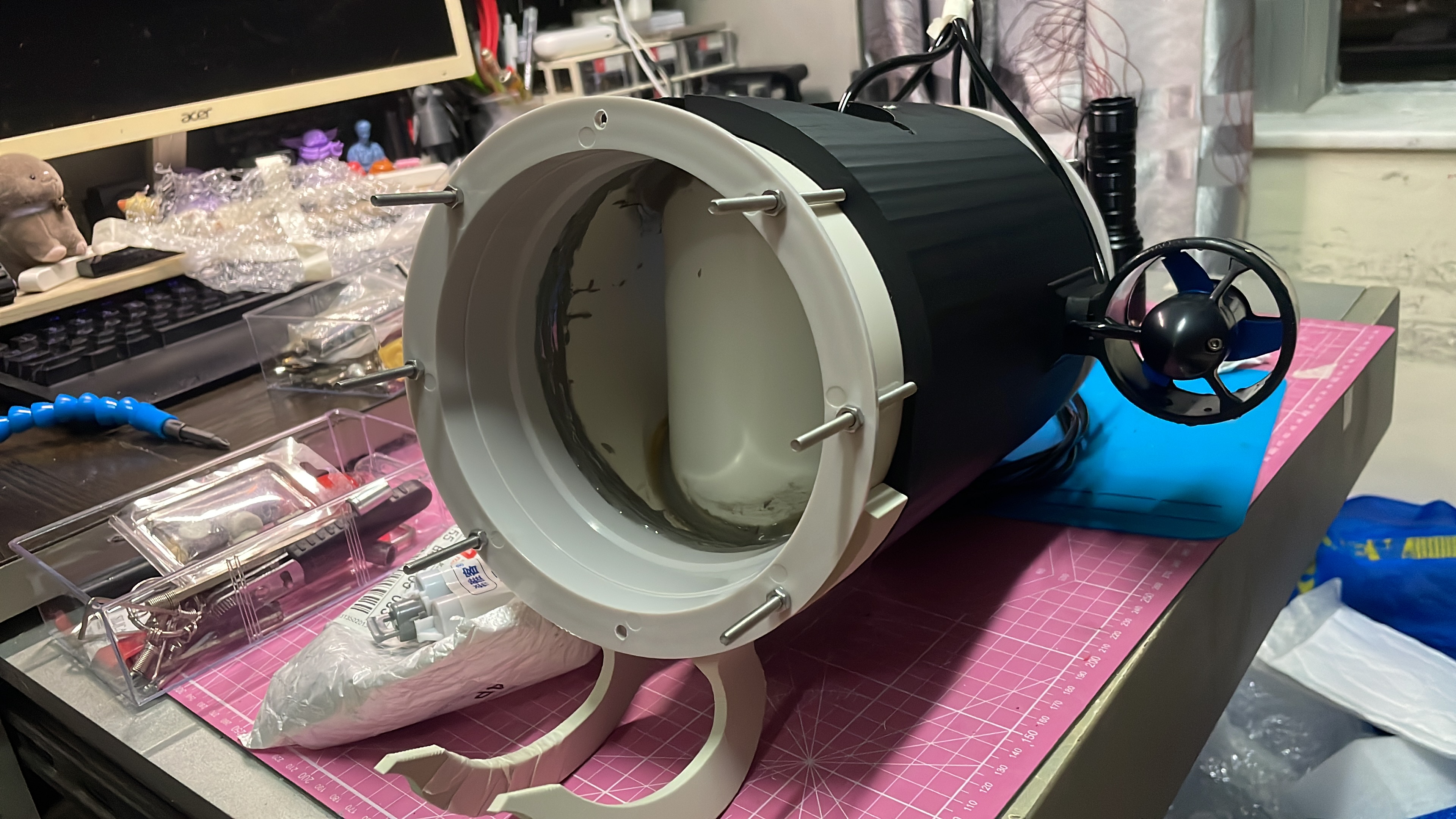
- PVC hull — the body is built from PVC pipe; I cut an opening through the middle for the vertical thruster and housed it with a smaller PVC tube, sealed with PVC-specific AB cement
- Front & rear sealing — custom silicone gaskets clamped by acrylic plates, with a flange-style screw skirt around both frames to compress the silicone evenly and keep the electronics dry
- Drag reduction — a custom acrylic half-round fairing on the nose
Design
Build process
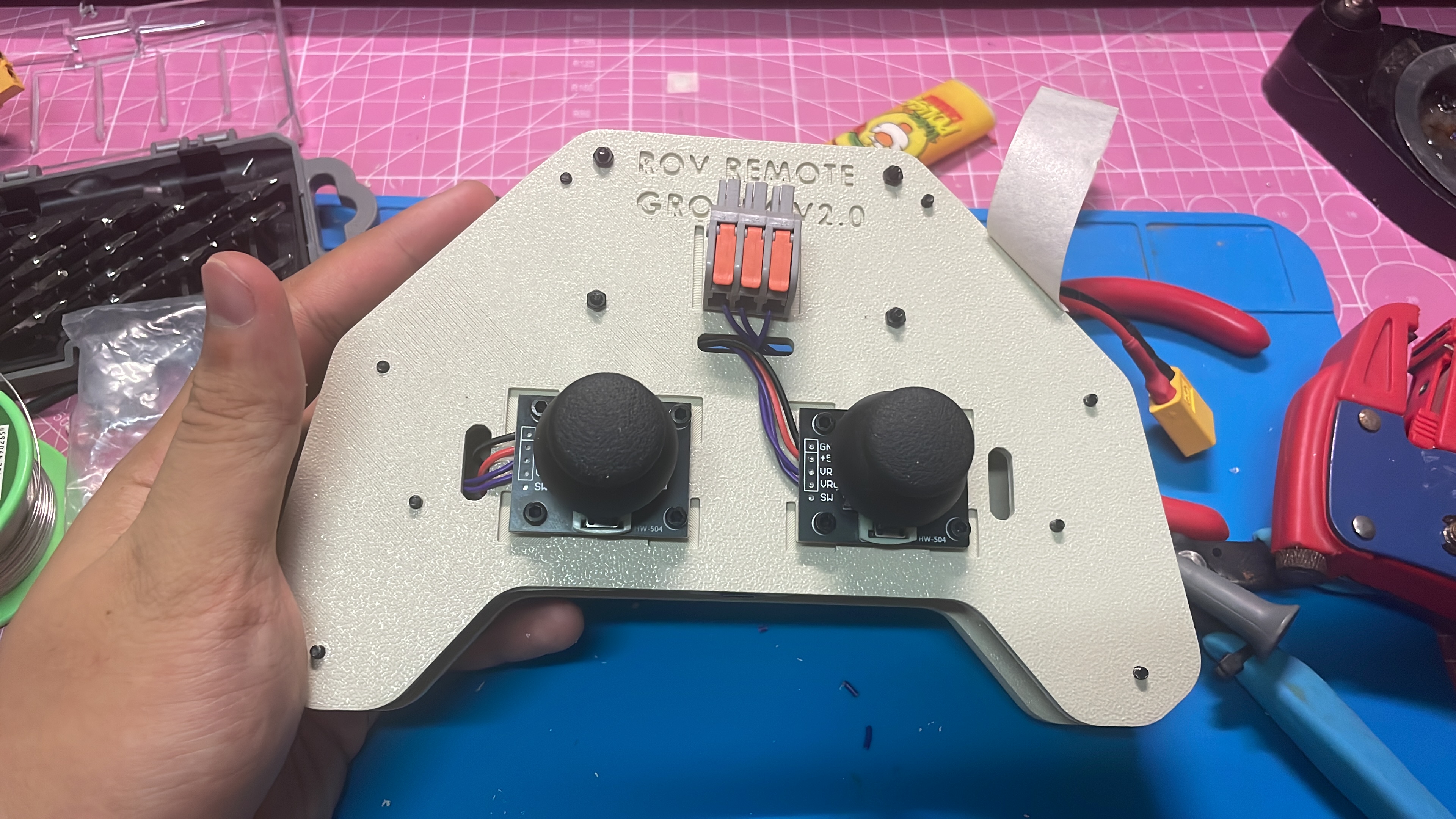
Control
Result
Champion, Team 4 of 13. My first project at The Hong Kong Polytechnic University — and the one that pulled me into robotics for the rest of my degree.